Why MaxSil™?
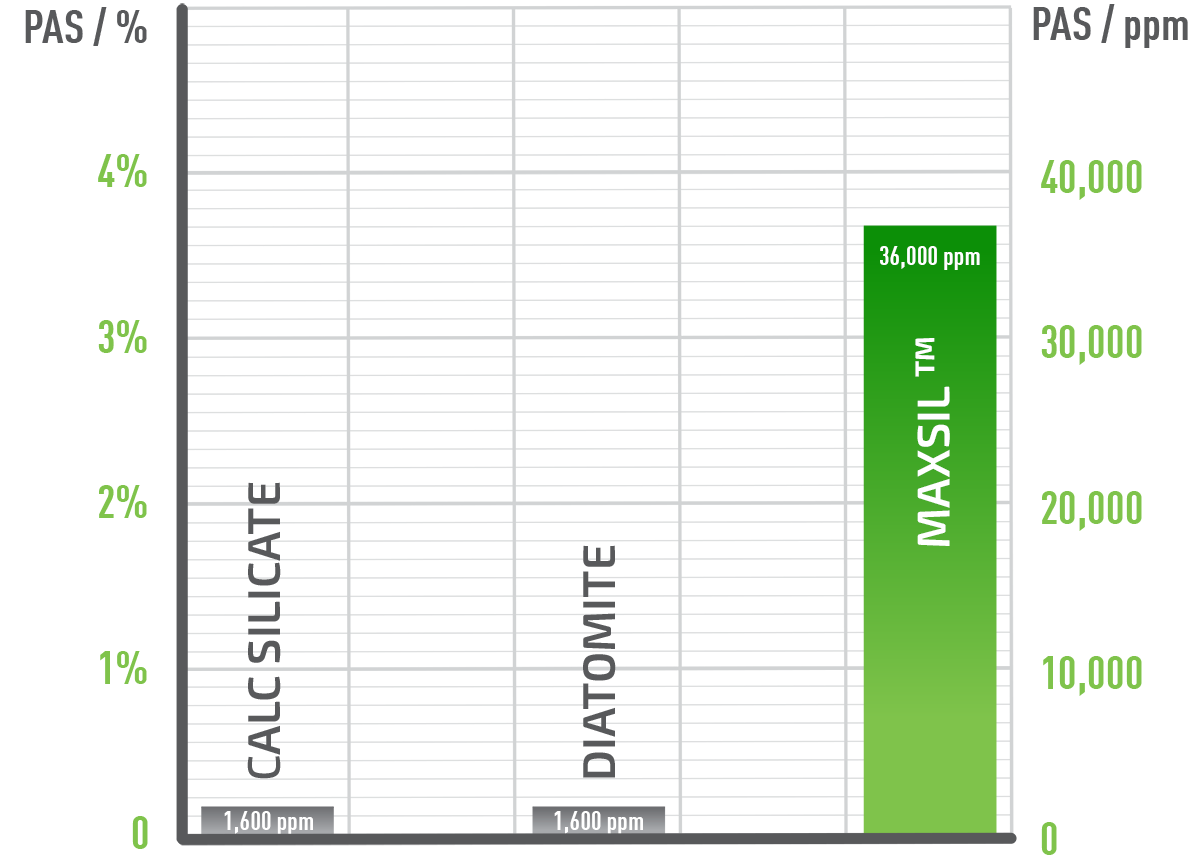
The benchmark for silicon fertilisers is the amount of plant-available silicon, and MaxSil™ contains 36 times more plant-available silicon than competing products. Extensive pot and field trials have demonstrated that MaxSil™ boosts crop yield and quality, as well as the financial returns for the grower.
Unleash the Potential of Your Crops with the Power of Silicon!
Since the 1920s, it's been recognised that Silicon is crucial for optimal plant growth, despite its scarcity in a form plants can readily absorb. Today's cropping fields are experiencing a Silicon famine. Most are drastically depleted or deficient in Plant Available Silicon (PAS). Agricultural soil can be effectively replenished using Silicon fertilisers, first identified in 1920s Hawaii.
MaxSil's Silicon Fertiliser outperforms competitors, offering 36 times more PAS. By opting for Silicon fertilisers, you can enhance your soil's PAS, leading to healthier, more productive, and pest-resistant crops. It's more than a simple growth trick - it's a revolution in agricultural productivity.
MaxSil™ on Salt-Affected Land
Hear from Claire Stevens from Kellerberrin, WA - how MaxSil has remediated her worst salt-scalded paddock and made it productive.
MaxSil™ is 36 Times More Potent than Competitors' Products
Plant Available Silicon (PAS*) Comparison
Comparison of the percentage and parts per million (ppm) of Plant Available Silicon (PAS*) contained in three different solid silicon fertilisers. *PAS analyses were carried out according to the official US protocol endorsed by the Association of American Plant Food Control.
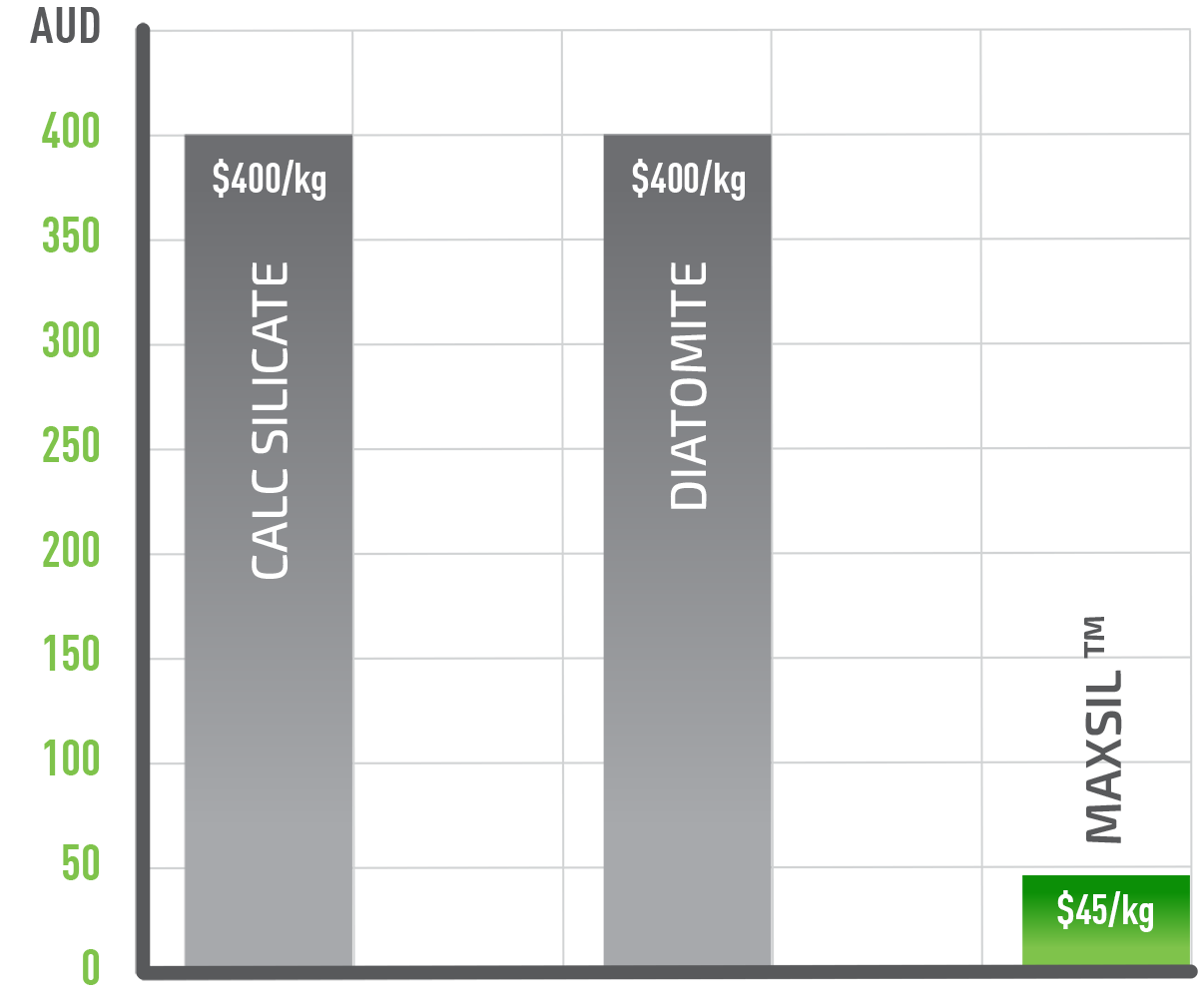
MaxSil™ Comparative Costing to Main Competitors
(Graph is based on price assumptions ex manufacturer of $600 per tonne for Calcium Silicate & Diatomite, and $1,600 per tonne for MaxSil™)
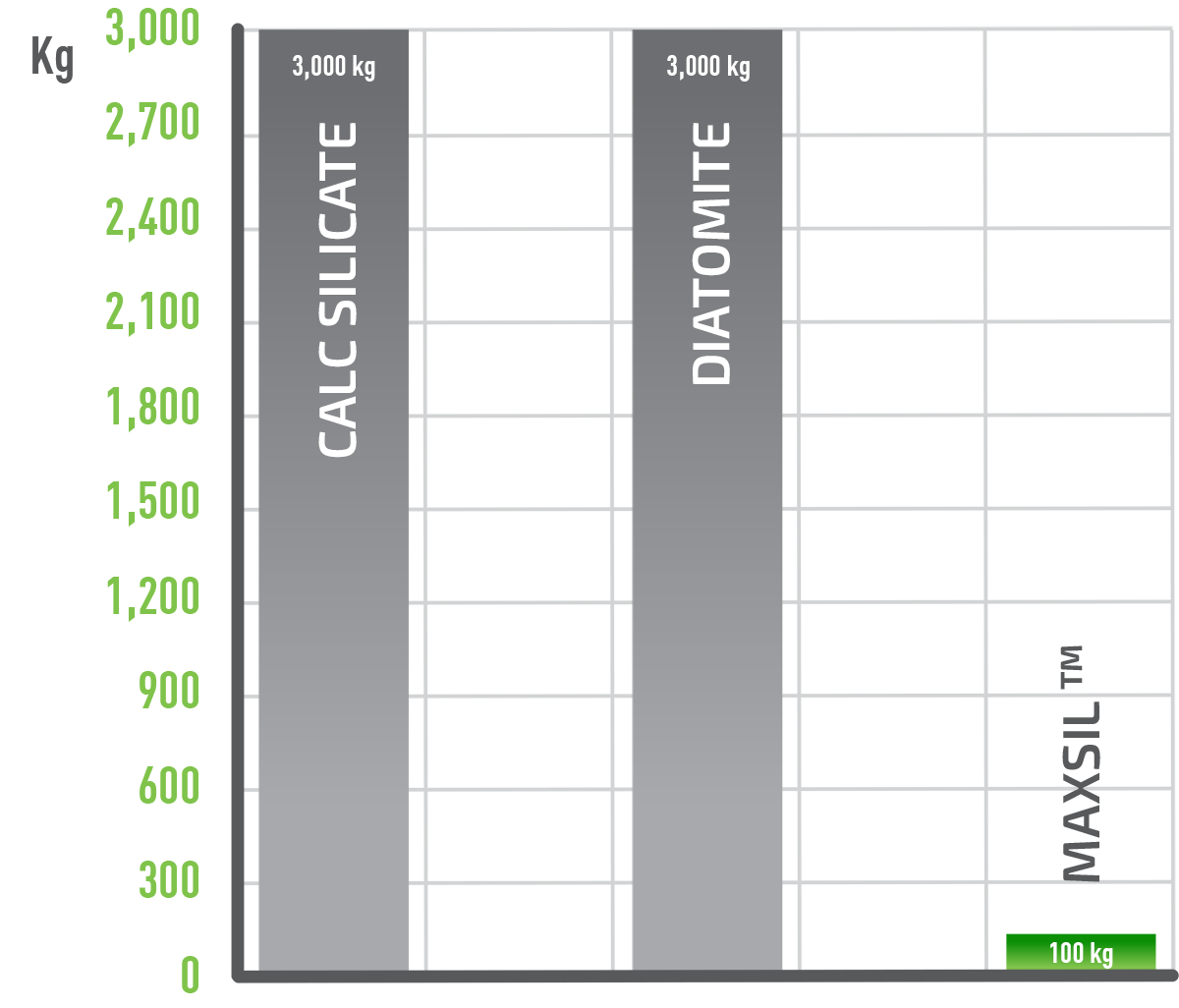
Kilograms of solid silicon-based bio-stimulants required to supply 3.6 kg of Plant Available Silicon (PAS) per hectare of land
Silicon Is Abundant in the Earth's Crust
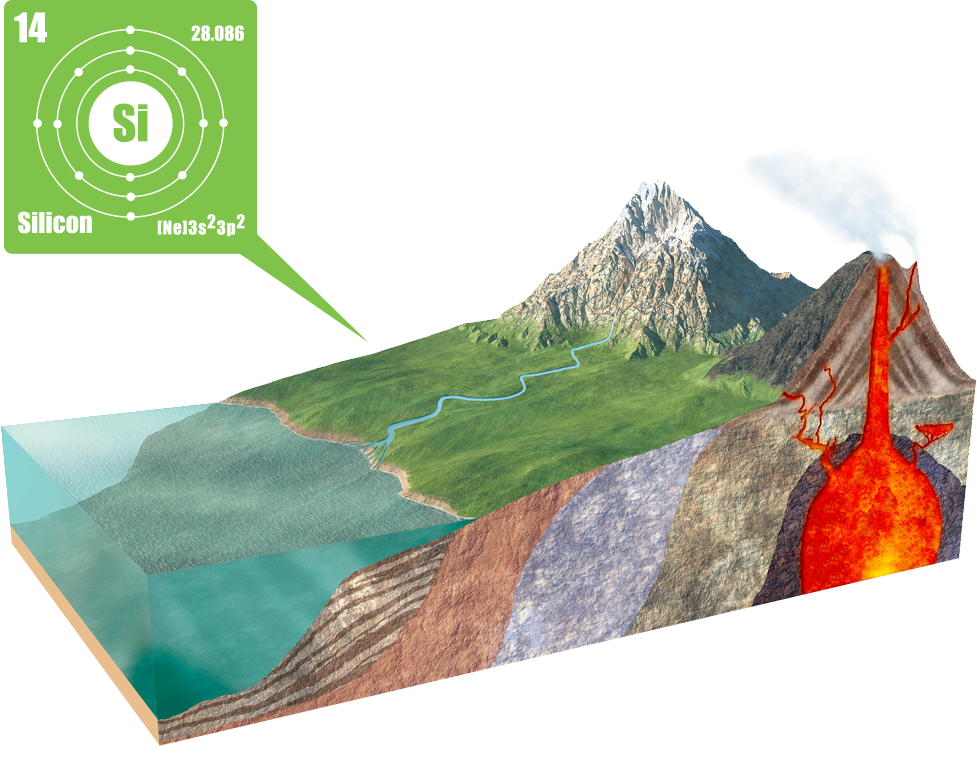
Almost 30% of Earth's Crust consists of Silicon
Following oxygen it's the second-most abundant element on Earth
Results for Sellar's Bananas - Far North Queensland
Discover how MaxSil is helping grow disease-free, export-quality bananas at Mission Beach, near Tully in Far North Queensland.
Silicon Uptake by Plants
Plant roots absorb Si in the form of a weak acid (H₄SiO₄). Soil silicon content can be boosted by Si fertilisers, which yield Plant Available Silicon (PAS), the content of which is determined through an internationally accredited test. Silicon was designated as a "Plant Beneficial Substance" in 2015 (The International Plant Nutrition Institute, Georgia, USA).
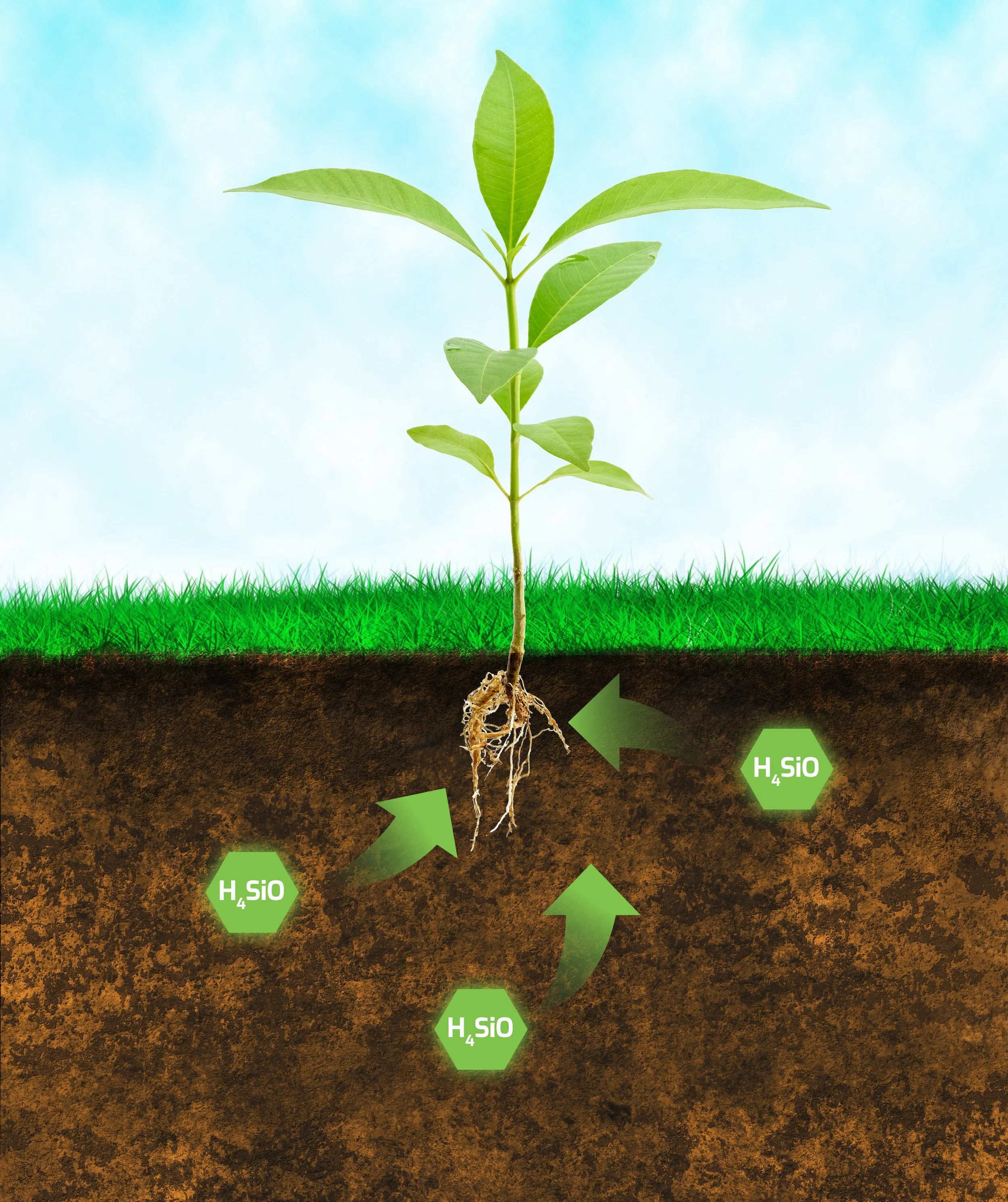
Roots absorb Si in the form of a weak acid (Amorphous Silica)
Benefits of Silicon/PAS
Global research since the 1920s demonstrates that Silicon fertilisers (PAS) enhance plant growth, yield, and the quality of crops. Yield increases in excess of 30% are well documented.
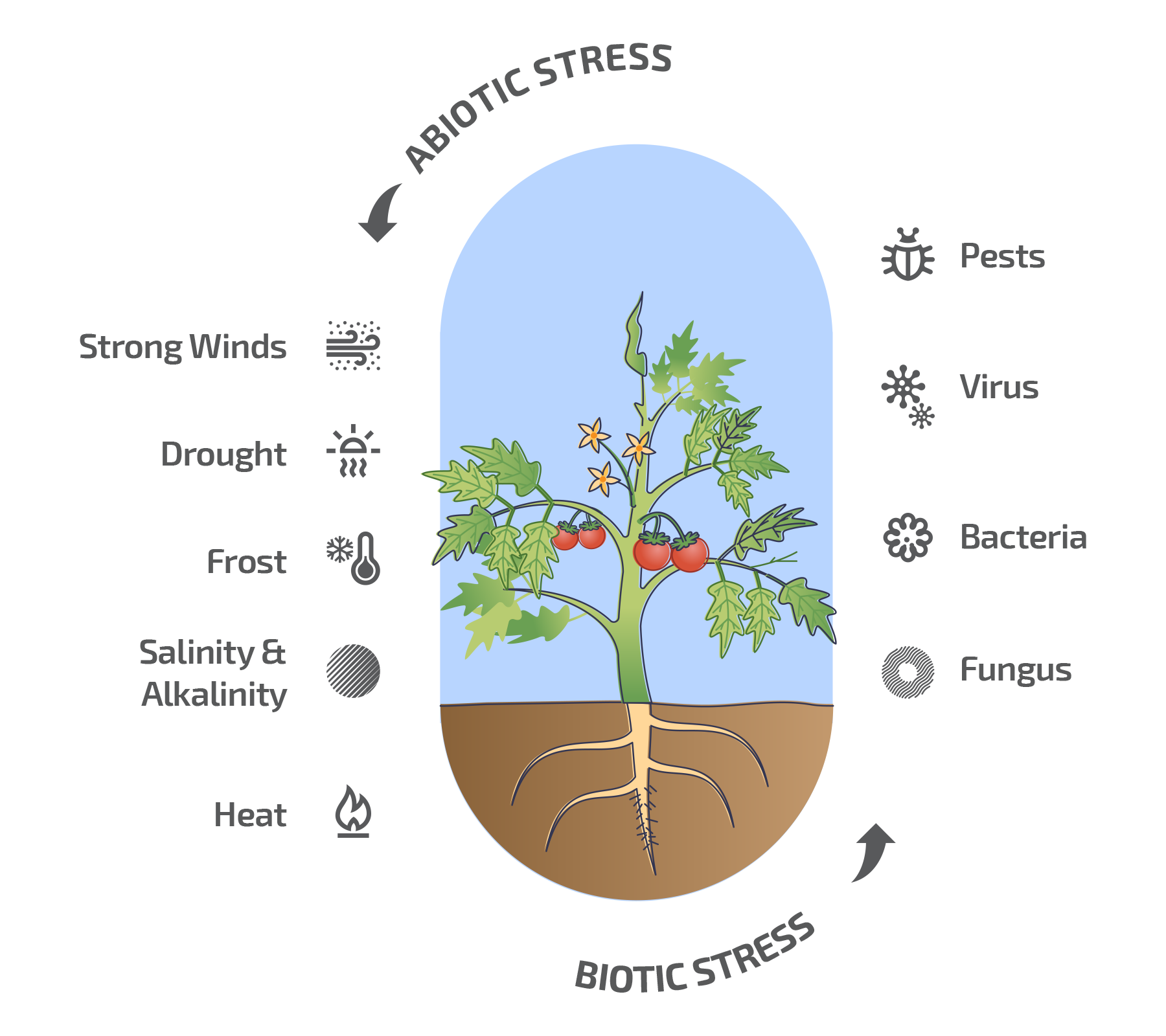
Silicon fertilisers (PAS) also make plants more resistant to Biotic & Abiotic stresses, reduce the need for NPK fertilisers, and can improve soils, including carbon sequestration.
Growing Export-Quality Avocados with MaxSil™
Discover how Neil Bredhauer is growing export-quality avocados using MaxSil at his Toowoomba orchard.
Main Sources of Silicon Fertiliser
Good sources for free silicon (PAS) are rare, as silicon is difficult to liberate from silica & silicates.
Traditional Sources of Silicon
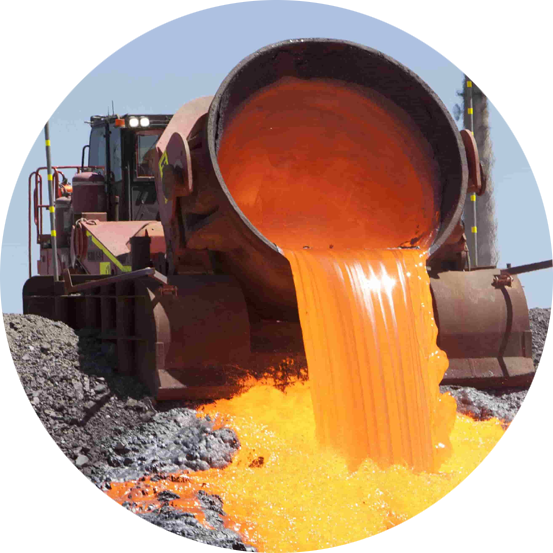
Calcium Silicates - 1.5 Kg of PAS per tonne
Waste product from steel works (slag)
1.5kg PAS per 1000kg
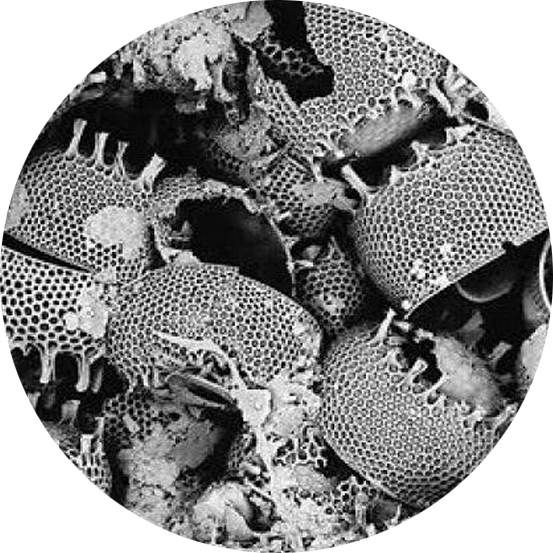
Fossilised Diatomite - 1.5 Kg of PAS per tonne
Fossil shells of marine algae
1.5kg PAS per 1000kg
New Source of Silicon
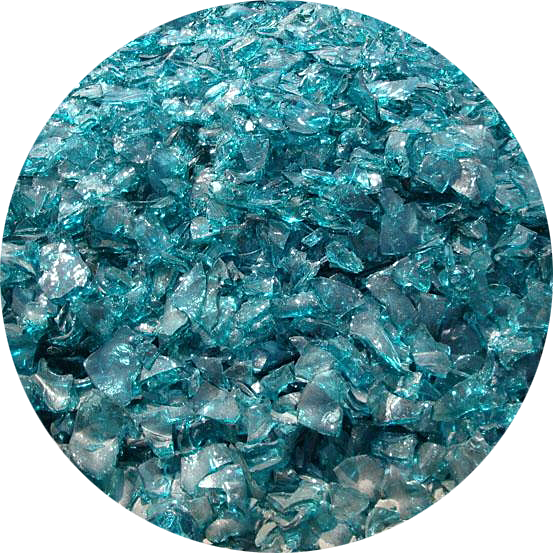
MaxSil™ 36kg of PAS per tonne
Derived from recycled glass bottles (lime soda glass)
36kg PAS per 1000kg
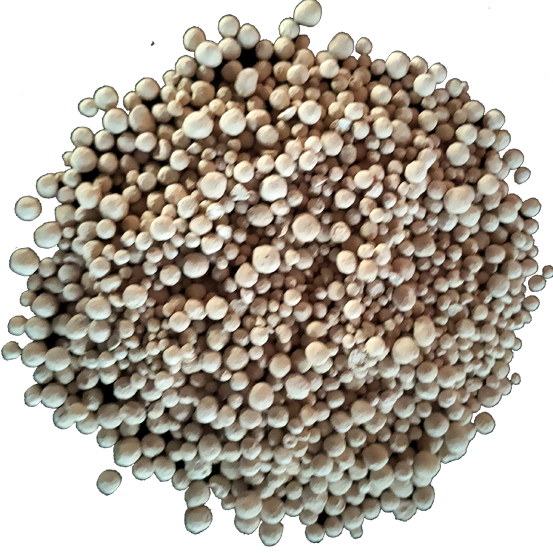
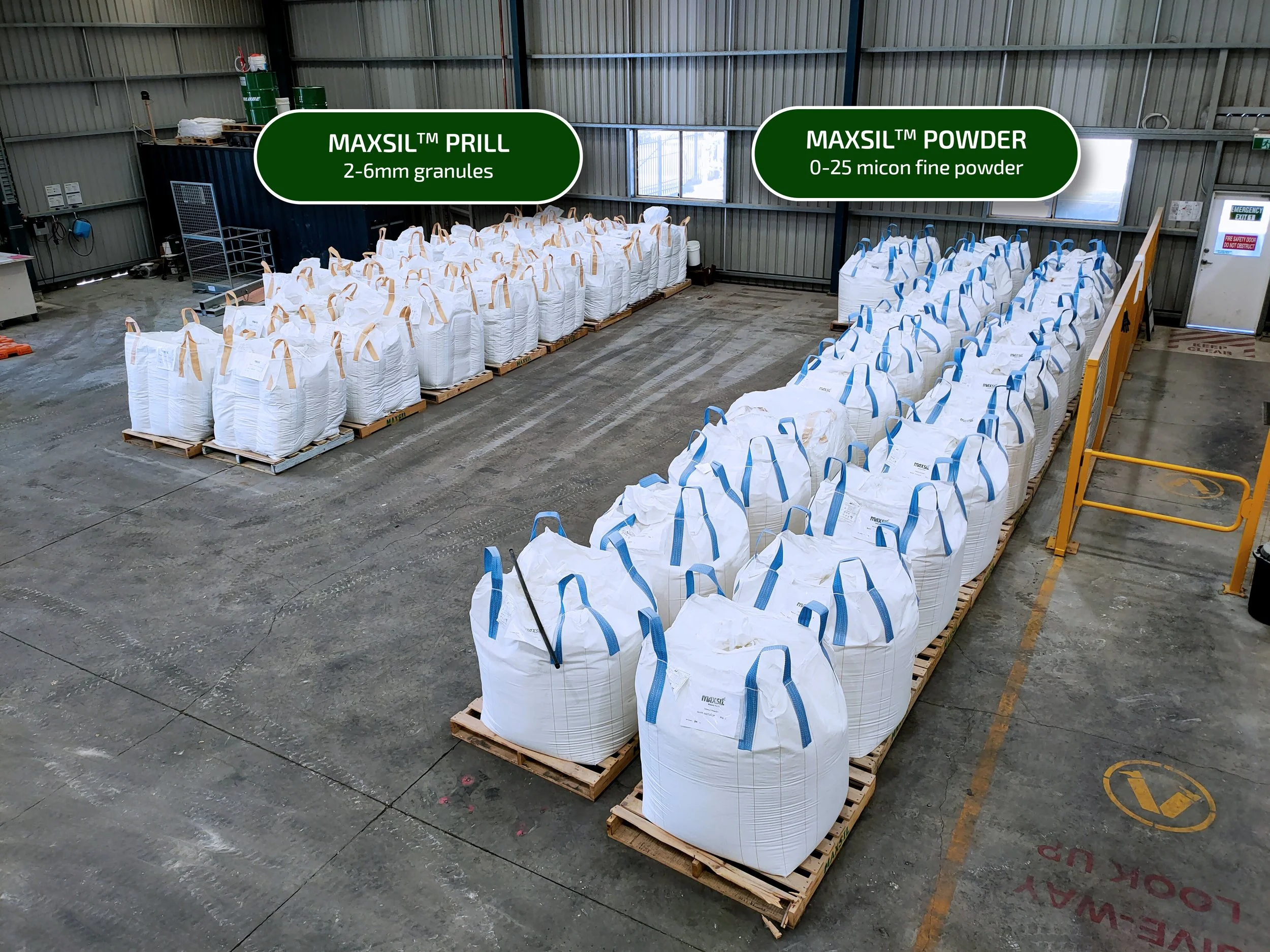
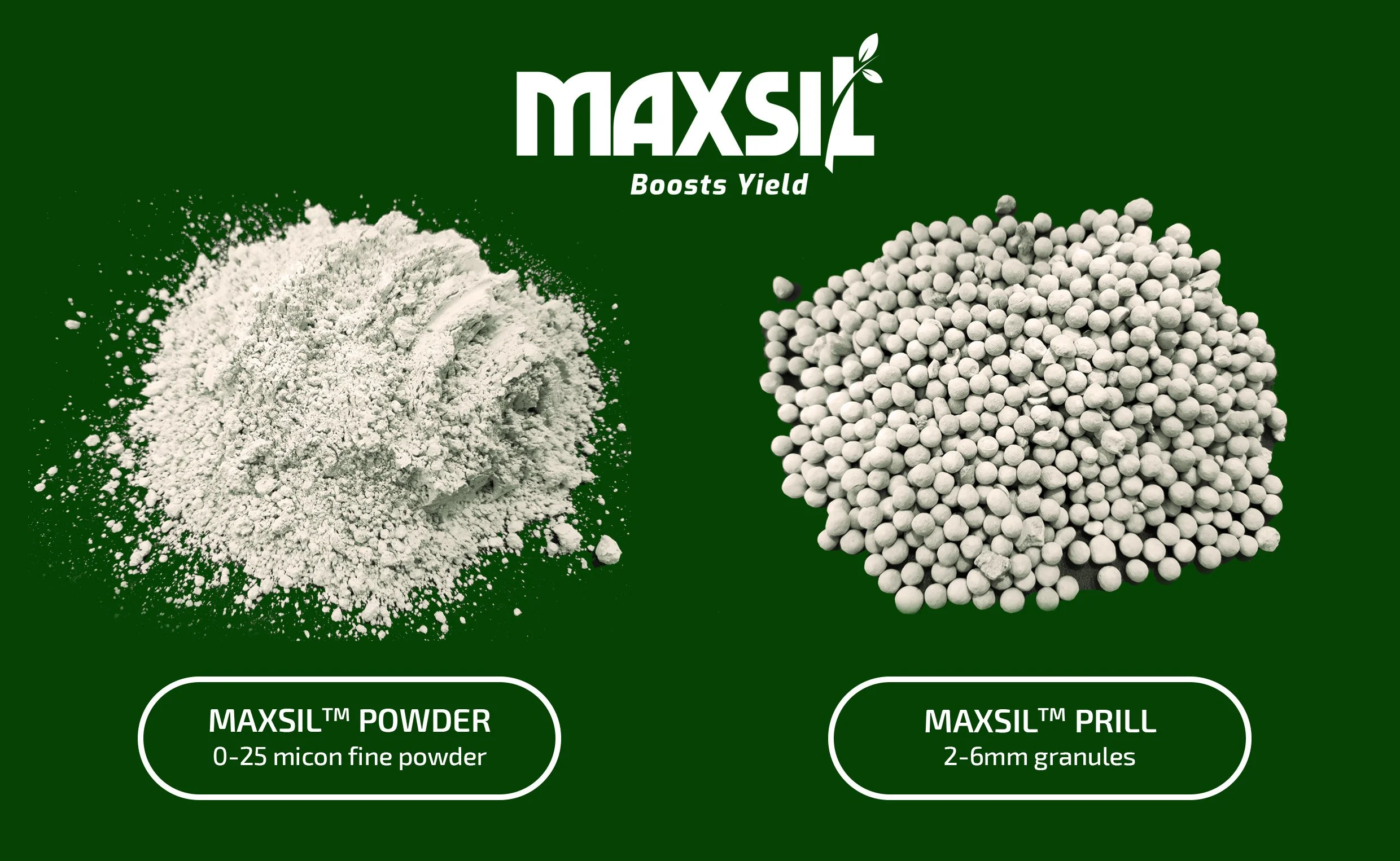
MaxSil™ Pellets
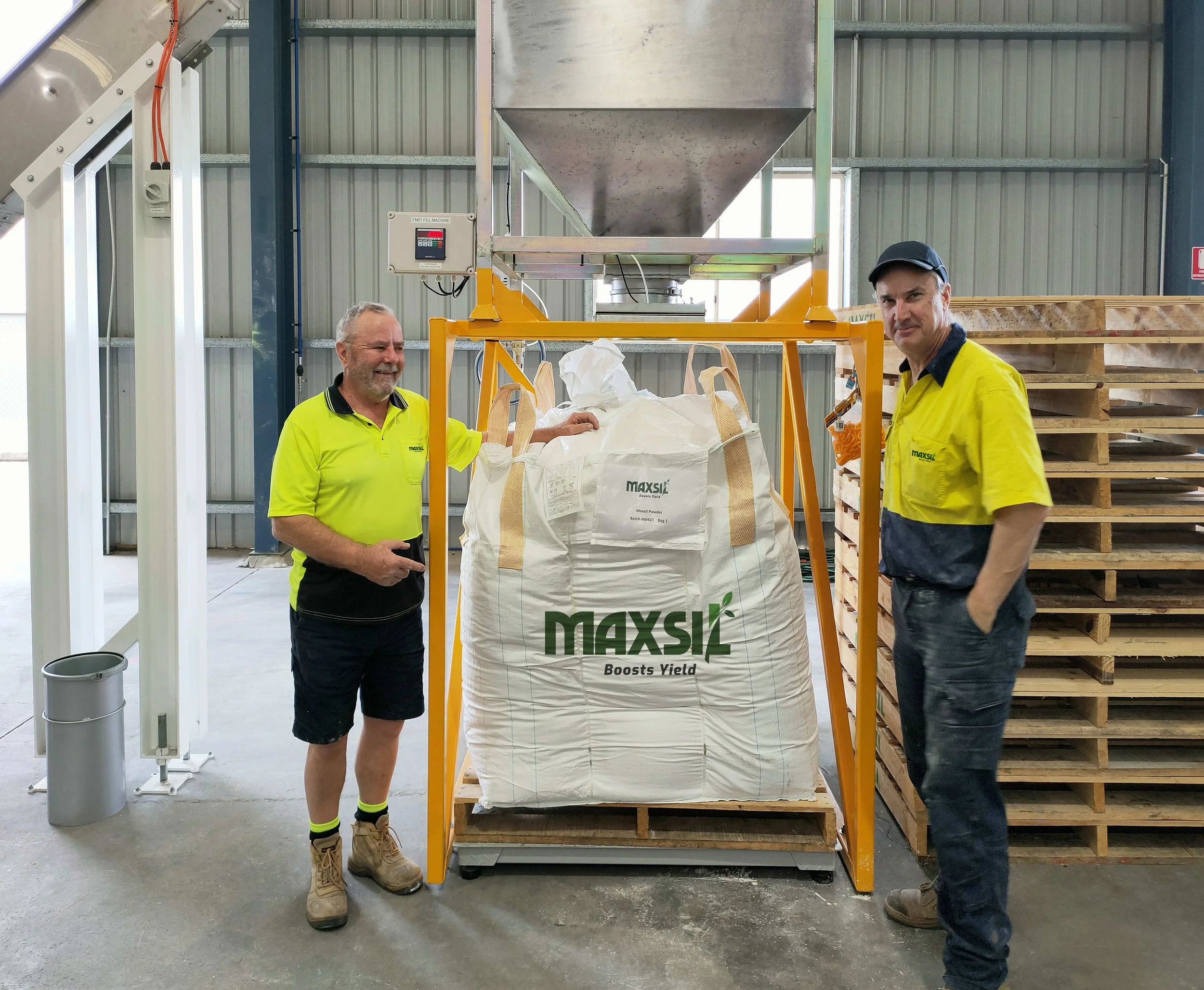
MaxSil is milled at our Brendale plant in Brisbane, which also offers toll milling and contract ball milling for other materials through Micron Materials.
MaxSil™ in Action
Field Trials
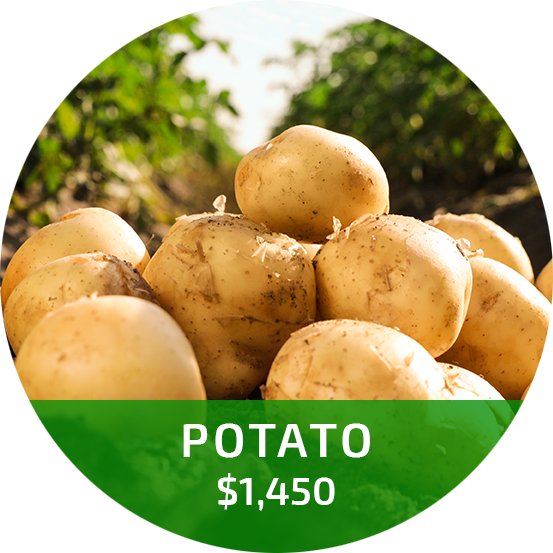
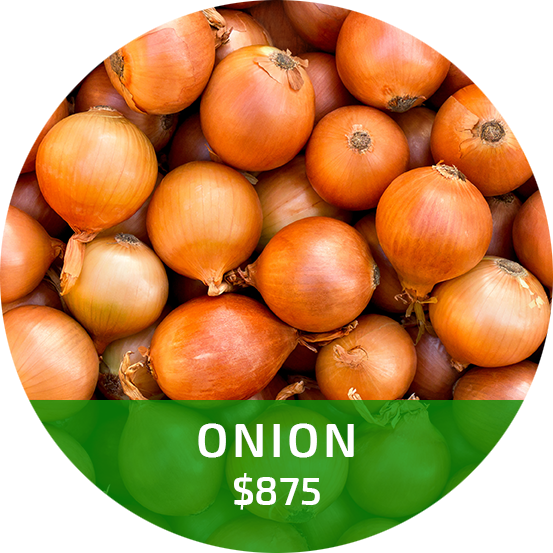
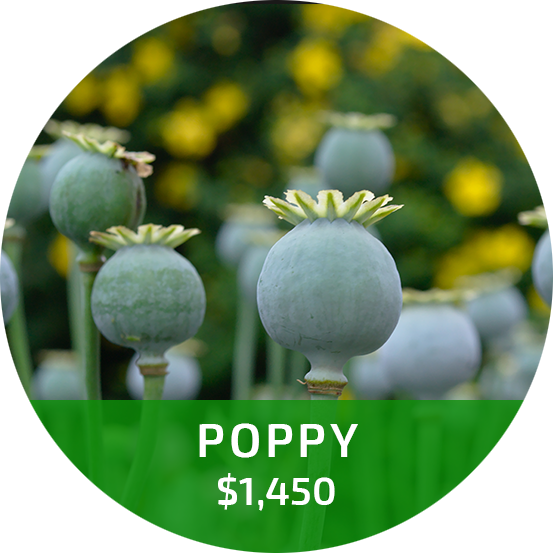
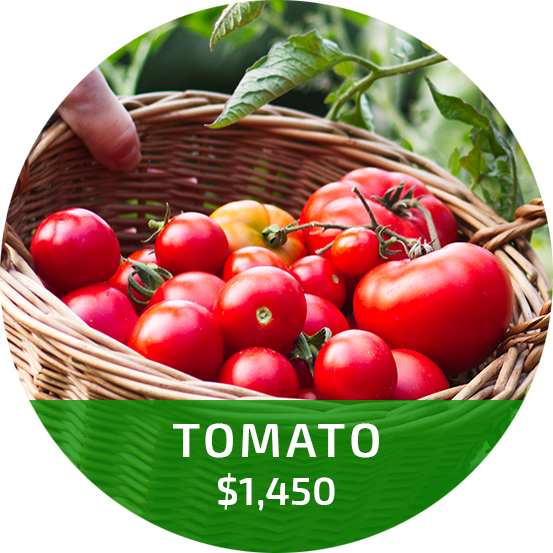
Increase in Financial Returns vs Control ($/ha)*

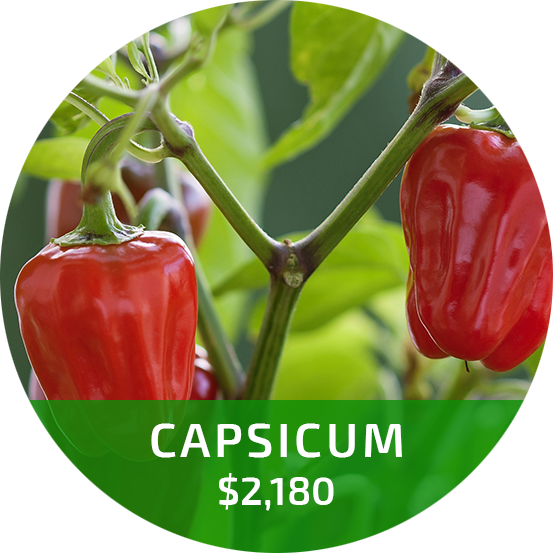
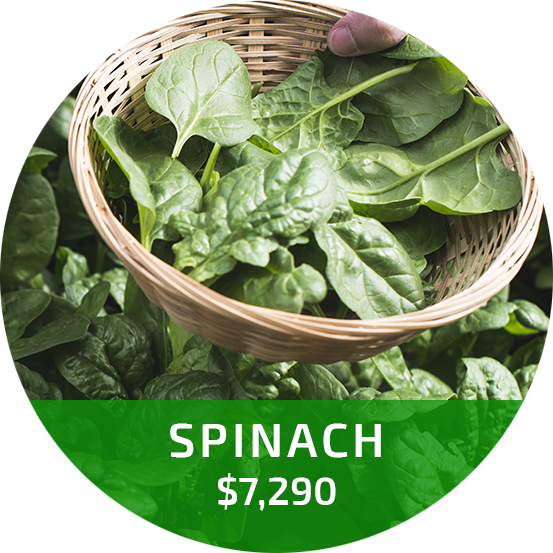
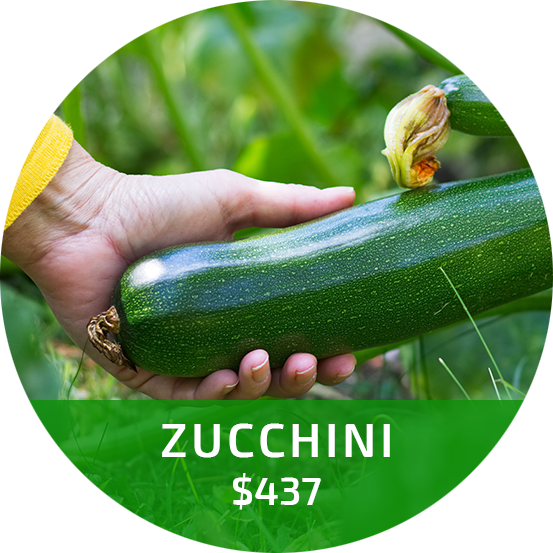
Silicon FAQs
What is plant available silicon (PAS)?
Plant roots absorb silicon as a weak acid (H4SiO4). Silicon fertilisers supply Plant Available Silicon (PAS), and their PAS content is measured with an internationally accredited test.
What are the benefits of silicon for crops?
Global research since the 1920s shows silicon fertilisers enhance plant growth, yield and crop quality, with yield increases above 30% well documented. Silicon also makes plants more resistant to biotic and abiotic stresses, can reduce the need for NPK fertilisers and can improve soils.
How does MaxSil compare with slag and diatomite?
Traditional sources such as steel works slag and diatomite supply about 1.5 kg of PAS per 1,000 kg. MaxSil, made from recycled lime soda glass bottles, supplies 36 kg of PAS per 1,000 kg.
Is silicon a recognised plant nutrient?
Silicon was designated a Plant Beneficial Substance in 2015 by the International Plant Nutrition Institute, Georgia, USA.
How common is silicon in soil?
Almost 30% of the Earth's crust is silicon, the second most abundant element after oxygen. Good sources of free, plant available silicon are rare because silicon is difficult to liberate from silica and silicates.
Colombian Trial Results - 2024
Rice Trial
Tomato Trial
Different silica. An important distinction.
MaxSil™ is made from recycled glass: amorphous (non-crystalline) silica, not the crystalline silica associated with silicosis.
Treat as normal dust
Amorphous silica.
Non-crystalline.
The distinction matters: the crystalline silica dust that causes silicosis is different from the amorphous silica in MaxSil.