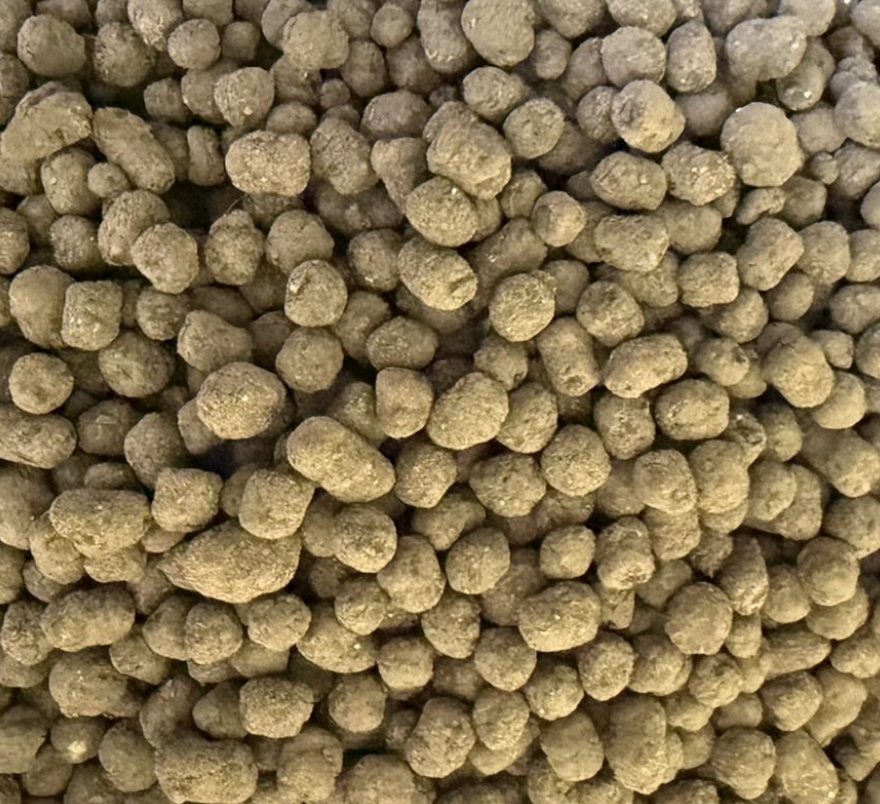
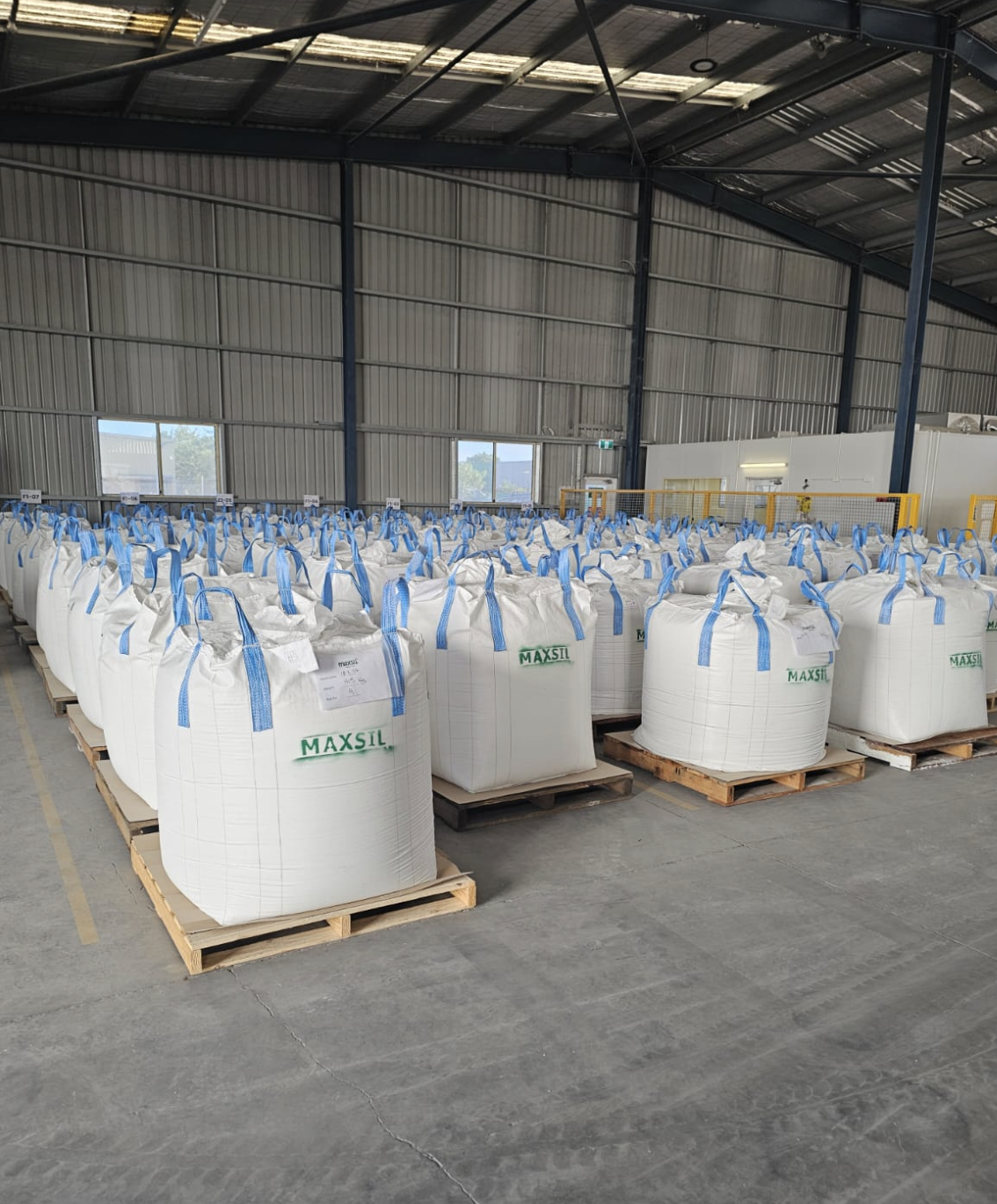
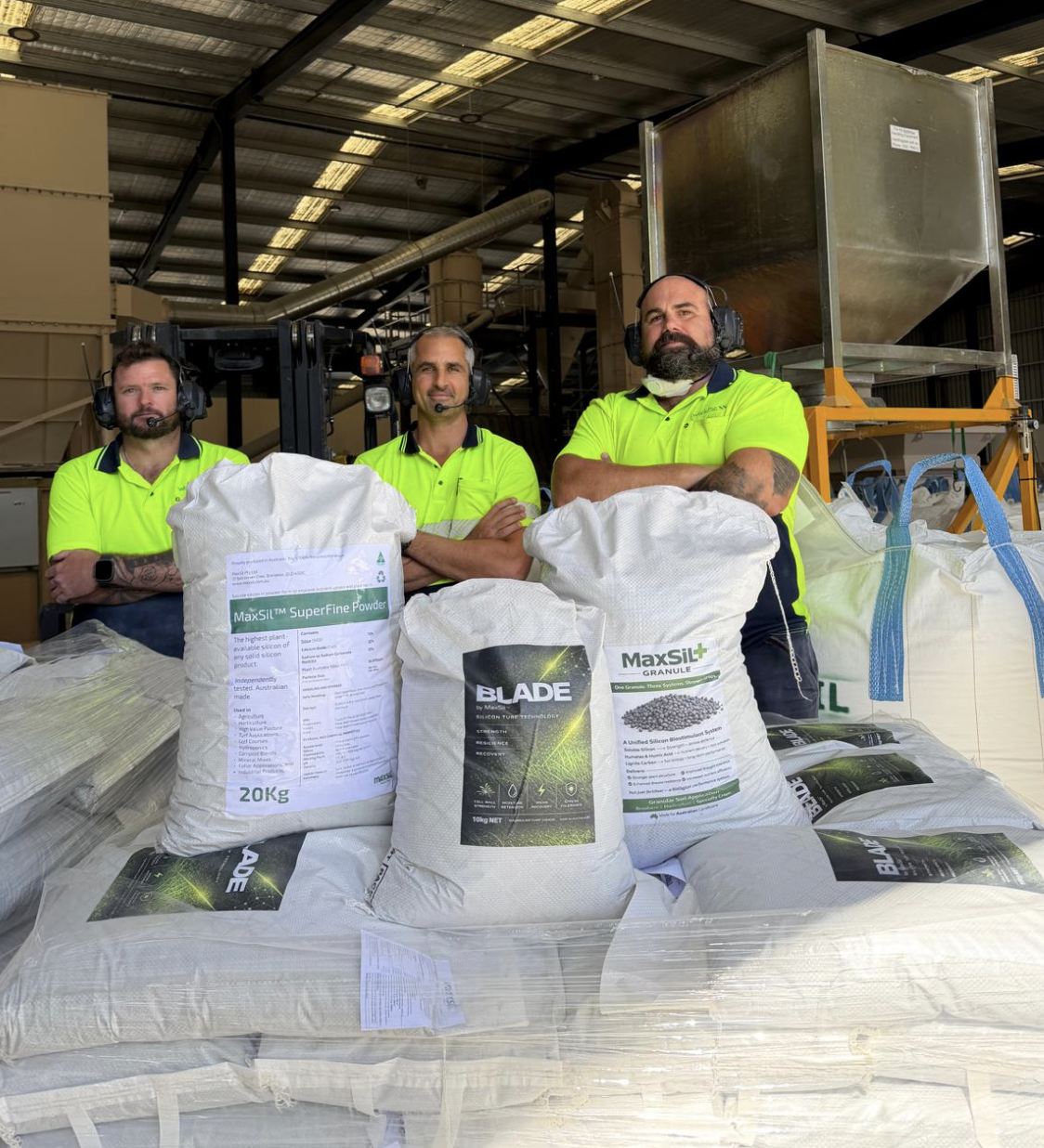
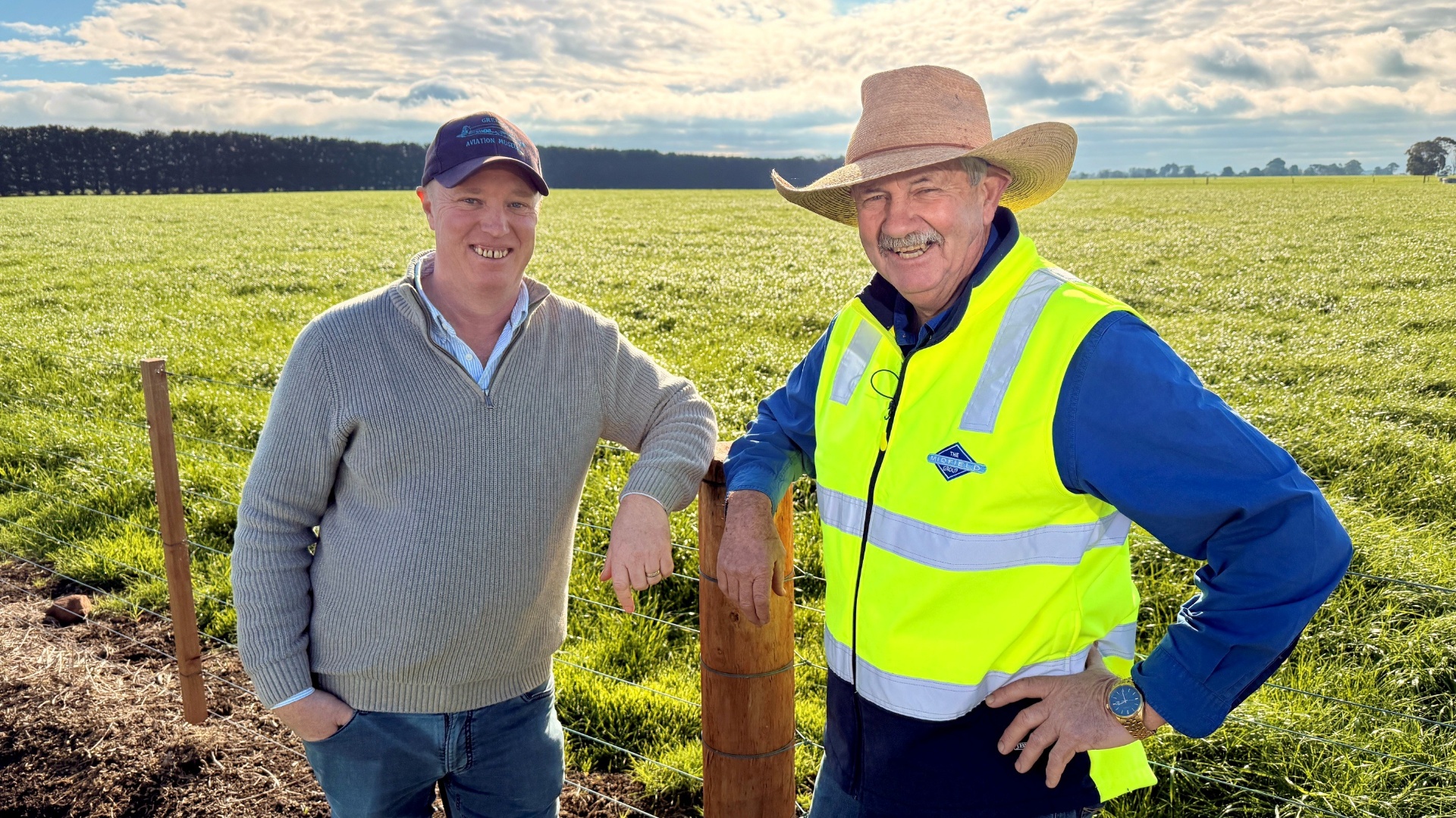
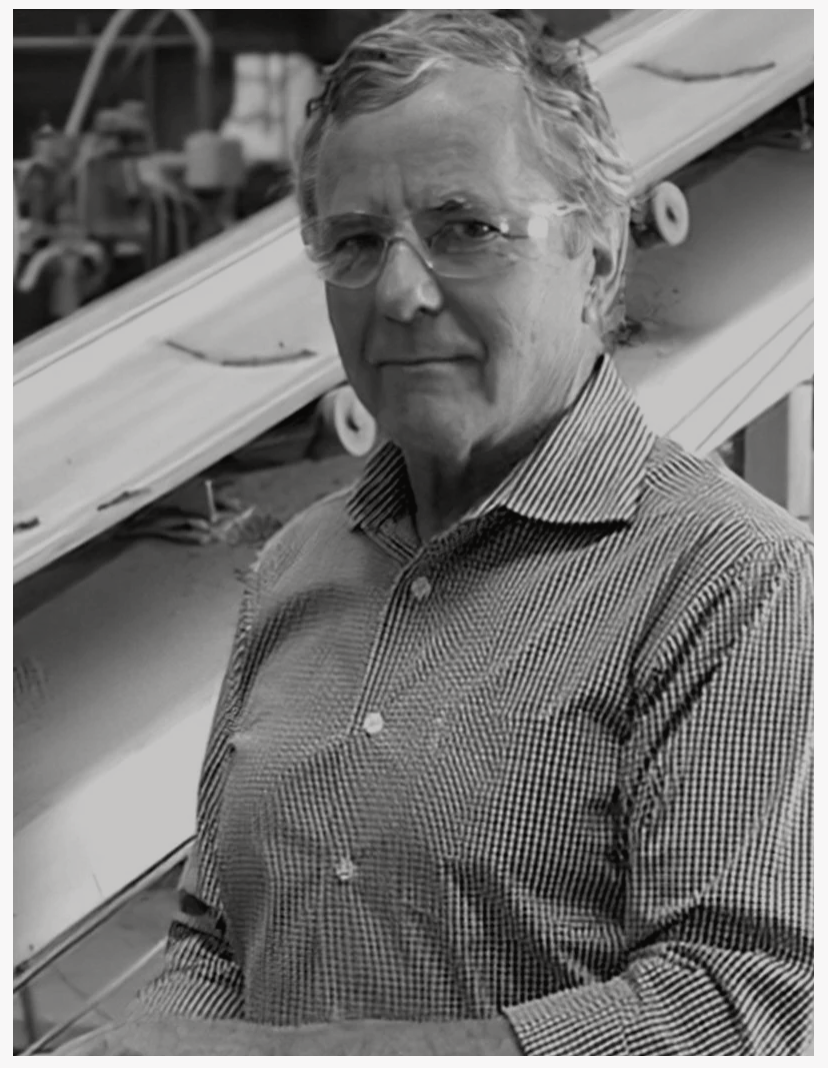
Victorian producer Tony Donovan, who runs a large-scale grazing, cropping and dairy operation near Warrnambool, said the shift toward silicon-based fertiliser had been driven by a need to get more out of soils already under pressure.
"We're a pretty intensive operation, about 14,000 hectares with five dairy farms, so getting as much natural help out of the soil as we can is really important to us," he said.
Mr Donovan said high iron and aluminium levels in his soils had historically locked up key nutrients like phosphorus and potassium, forcing the business to rely heavily on synthetic fertiliser inputs.
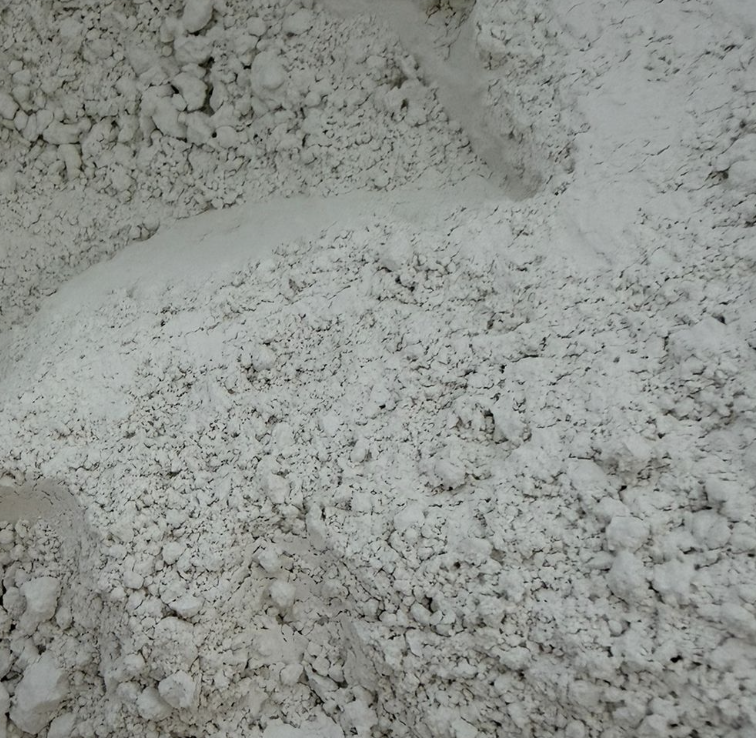
"What the silicon is doing is tying up that iron and aluminium, which in turn releases phosphorus, potassium and trace elements that were already there but unavailable," he said. "We've measured it - we've got tonnes of phosphorus sitting in the soil that we just couldn't access before."
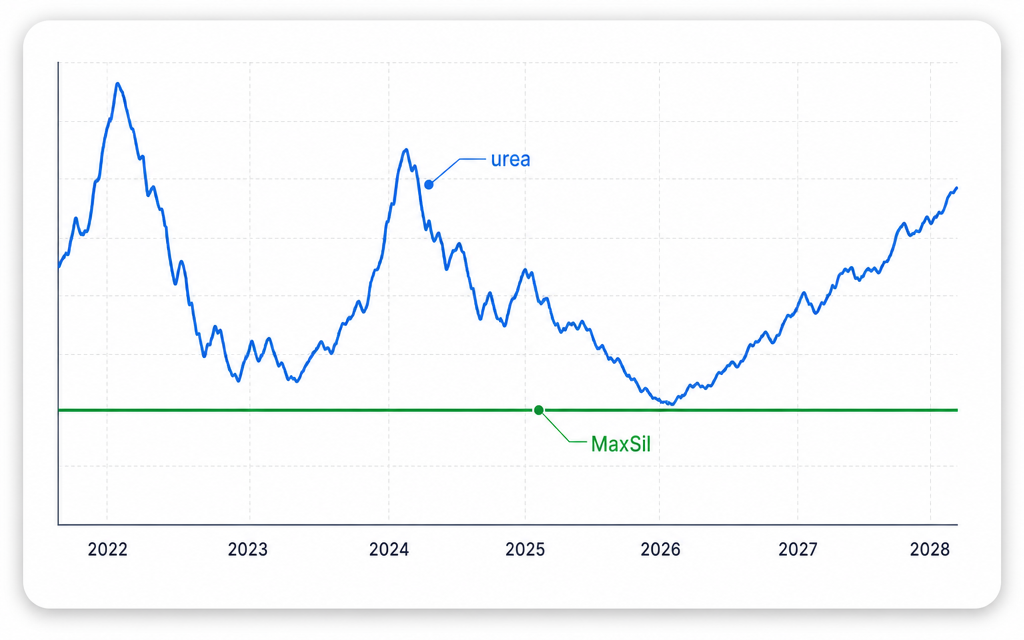
After introducing silicon into the system, he said the business had been able to significantly reduce its reliance on applied fertiliser. "In some paddocks, we're releasing the equivalent of about 200 kilos of DAP (Di-Ammonium Phosphate)," he said. "At today's prices, that's extremely valuable. It has a huge economic impact on us."
Mr Donovan said the benefits were not just financial, but also reflected in plant and livestock performance. "Our plant health, our production and our stock health are all lifting," he said. "And when you start seeing that across both pasture and crops, that's when you start to take it seriously."