Silicon for Canadian alfalfa and forage, now that the spray options have narrowed.
Canadian alfalfa and hay growers lost lambda-cyhalothrin (Matador, Silencer) on every crop grown for livestock forage, leaving mostly older chemistries for alfalfa weevil. Plant-available silicon builds tougher, more resilient stands from the inside.
What happened to alfalfa insecticides in Canada
The insecticide toolbox for alfalfa (lucerne), hay and silage has narrowed sharply, and growers are looking for a Matador alternative. Here is where things stand.
Lambda-cy is off forage
Health Canada cancelled all feed uses of lambda-cyhalothrin (Matador, Silencer, Labamba) in April 2023. The 2025 review reinstated some grain feed uses, but forage, hay and silage were not reinstated.
Older chemistries left
For alfalfa weevil, growers are largely back to older products such as dimethoate and malathion, which are harder on beneficial insects and pollinators, plus early cutting.
Dairy and beef feel it
Alfalfa in much of Canada is grown for livestock feed, so dairy, beef and hay export operations carry the risk.
Where silicon fits
Silicon is deposited in leaf and stem tissue, making plants physically tougher and more abrasive to chewing insects, and research links it to better tolerance of drought, frost and disease pressure. It leaves no residue on hay or silage. It is not an insecticide and does not replace one; it is a nutrition tool to build stronger stands within your IPM program alongside scouting, early cutting and beneficial insects.
The wider squeeze on Canadian crop protection
Why Canadian growers are looking at silicon fertilizer and biostimulant options, and alternatives to chlorothalonil within integrated pest management.
Chlorothalonil
Health Canada's PMRA has proposed cancelling all food uses of chlorothalonil (Bravo, Echo), a key multi-site fungicide for potato late blight and early blight.
Neonicotinoids
PMRA decisions have cancelled or restricted a range of clothianidin, thiamethoxam and imidacloprid uses, including some soil and foliar uses on potatoes, berries and fruiting vegetables.
Tebuconazole on turf
All turf uses were cancelled, with the phase out ending November 2027, affecting golf courses and sod farms.
Uncertainty and export pressure
The 2026 Bill C-30 changes to the Pest Control Products Act and tightening export residue limits (MRLs) in the EU and other markets mean growers need tools that do not leave residues.
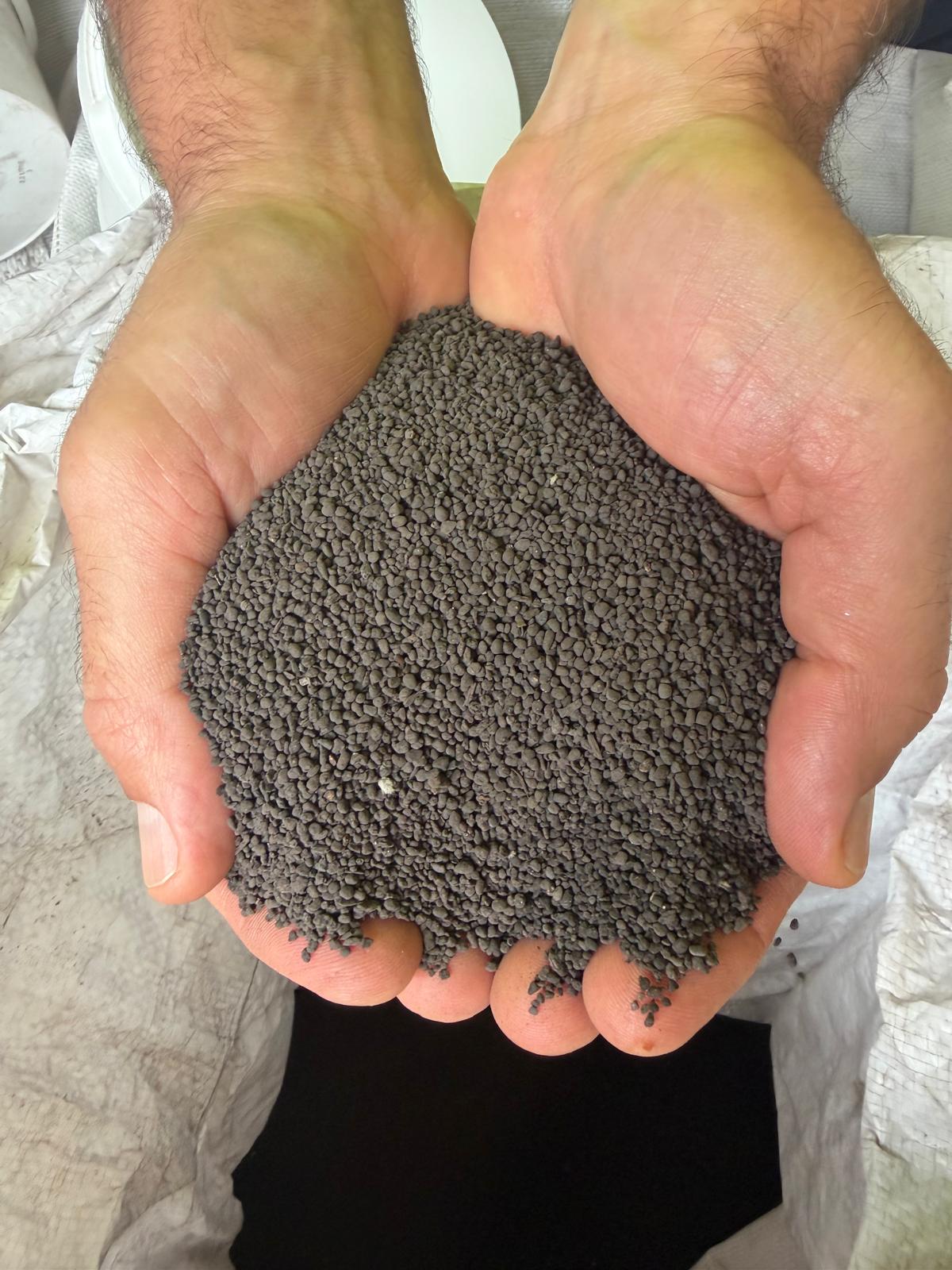
Plant-available silicon in a practical granular form.
Why silicon: soluble silicon for crop resilience
Plant-available silicon is one of the most researched tools for helping crops cope with disease and stress pressure. MaxSil delivers highly plant-available silicon, with UWA research by Professor Zed Rengel finding 13 to 25 times more plant-available silicon than diatomite.
- Silicon is deposited in plant cell walls, making leaves and stems physically tougher.
- Well documented in research for improving tolerance to fungal disease pressure (e.g. powdery mildew), insect feeding, drought, frost and salinity.
- Supports nutrient uptake and phosphorus availability.
- Leaves no chemical residue.
- Fits integrated pest management programs and resistance management.
Crops we want to work with in Canada
From silicon for alfalfa and silicon for potatoes to silicon for canola, greenhouse vegetables and turf. We are looking for growers and advisers who want to establish credible local trials.
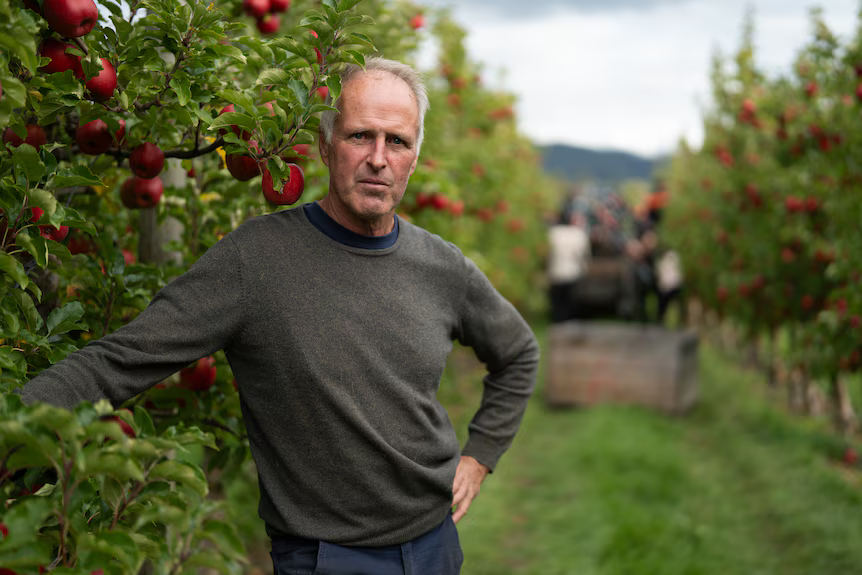
Alfalfa (lucerne) and forage
Alberta, Saskatchewan, Manitoba, Ontario, Quebec (hay, silage, dairy and beef)
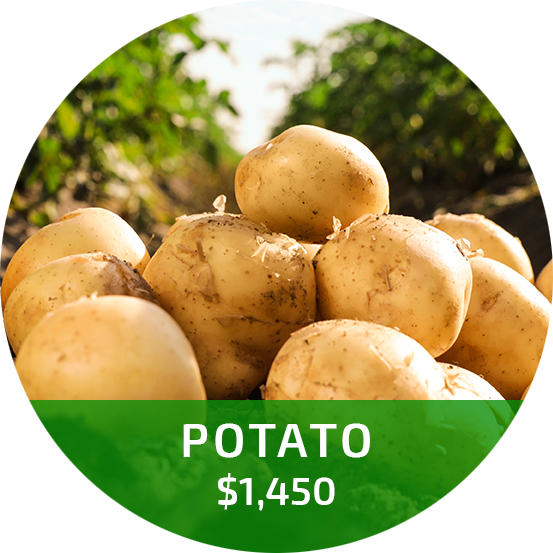
Potatoes
PEI, New Brunswick, Manitoba, Alberta
Canola and cereals
The Prairies
Corn and soybeans
Ontario, Quebec
Tree fruit and berries
BC, Ontario, Quebec, Nova Scotia
Greenhouse vegetables
Leamington and BC
Turf, golf and sod
Courses and sod farms nationwide
Build the Canadian program with us
MaxSil is seeking practical partners who know their crops, customers and local conditions. Growers can help establish field results, agronomists can guide trial design, and distributors can build reliable regional access.
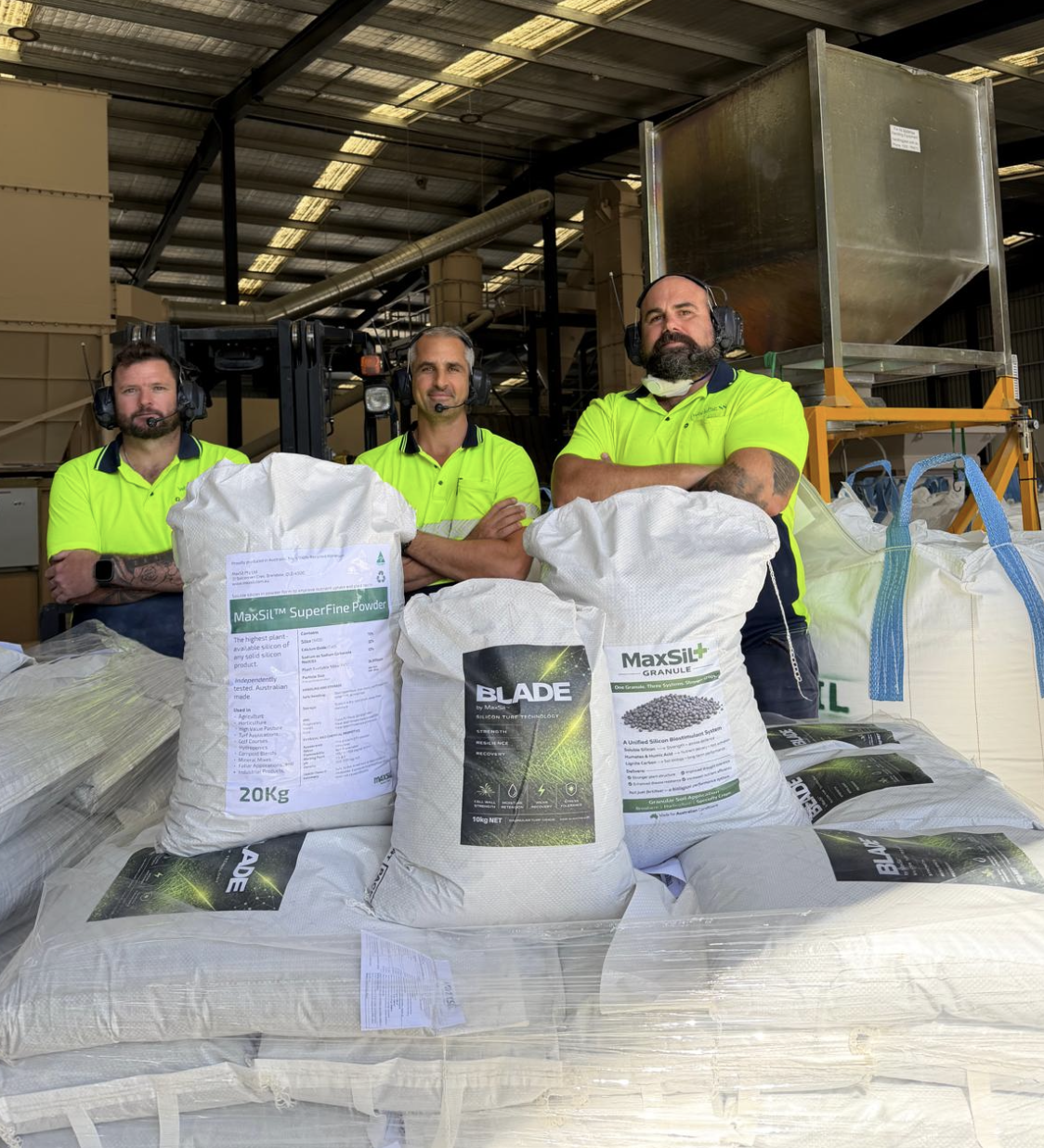
Growers
Trial MaxSil on your farm this coming season.
Distributors and retailers
Regional distribution rights across Canadian provinces.
Agronomists and CCAs
Independent agronomists and Certified Crop Advisers to run trials and represent MaxSil.
A working program, not a laboratory idea
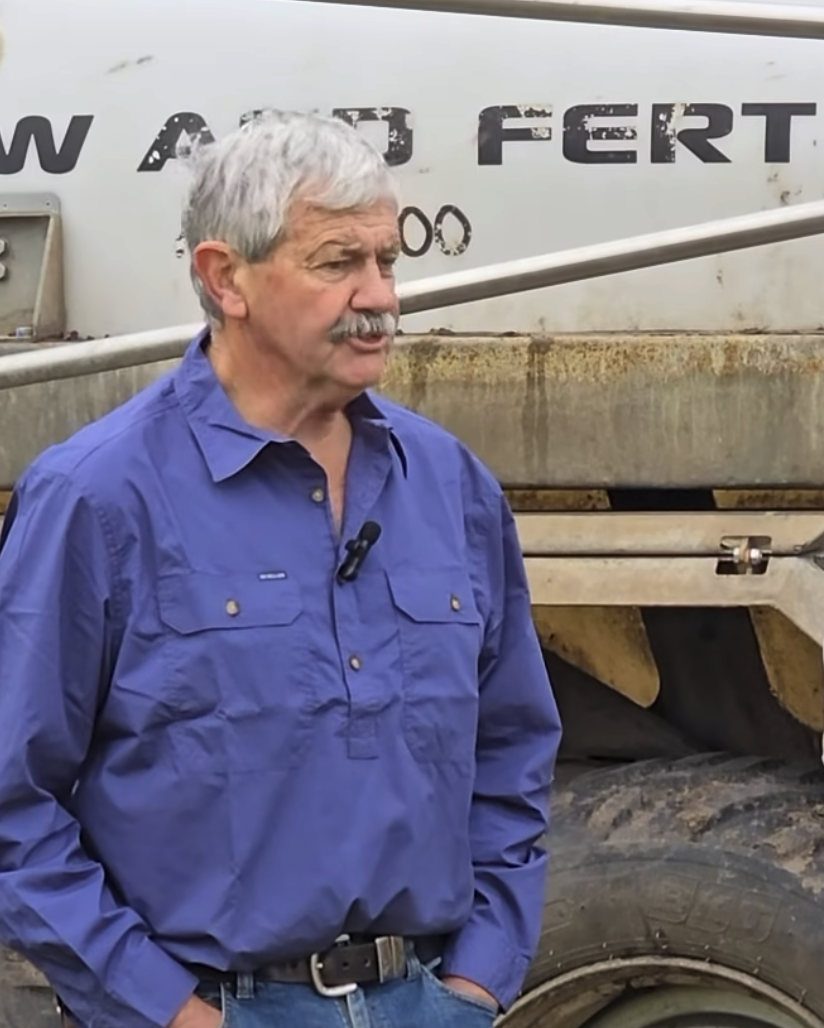
“We're growing as much grass or crop as we always have. In fact, we're starting to grow more, and we're using at least 30% less.”
Tony Donovan, Farm Manager, Midfield Meats
Farm Manager, Midfield Meats, Victoria.
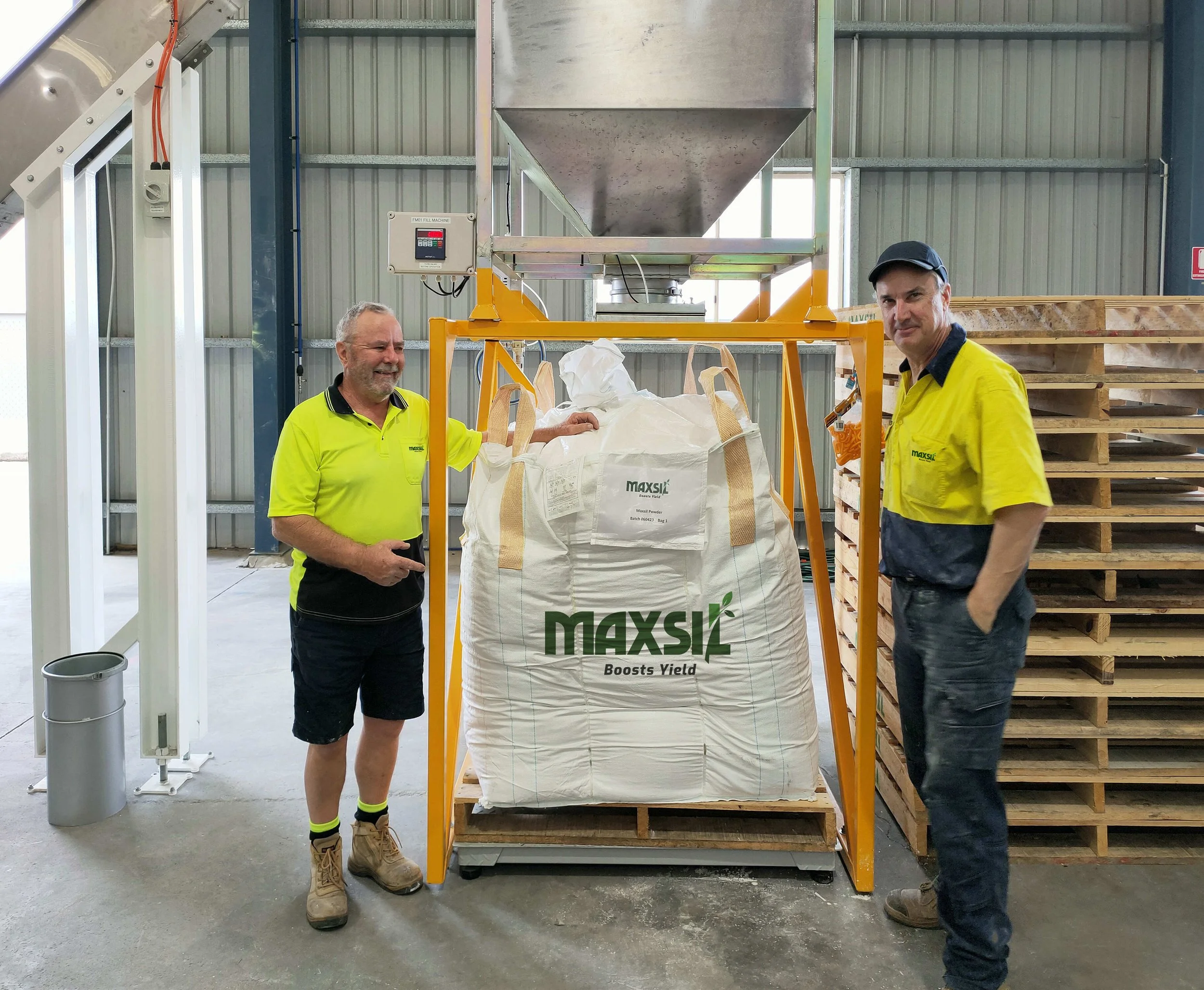
Midfield Meats
Across 14,000 hectares, Tony Donovan reported an over 40% urea reduction to Stock & Land in June 2026.
5 year price and supply guarantees
Certainty on price and supply so Canadian partners can plan their programs with confidence.
See MaxSil working on ABC Landline
Go on-farm with Tony Donovan and agronomist Peter Norwood, then see how MaxSil is made from recycled glass at the Australian production facility.
Watch on ABC iViewABC Landline feature. Grower statements reflect on-farm experience.
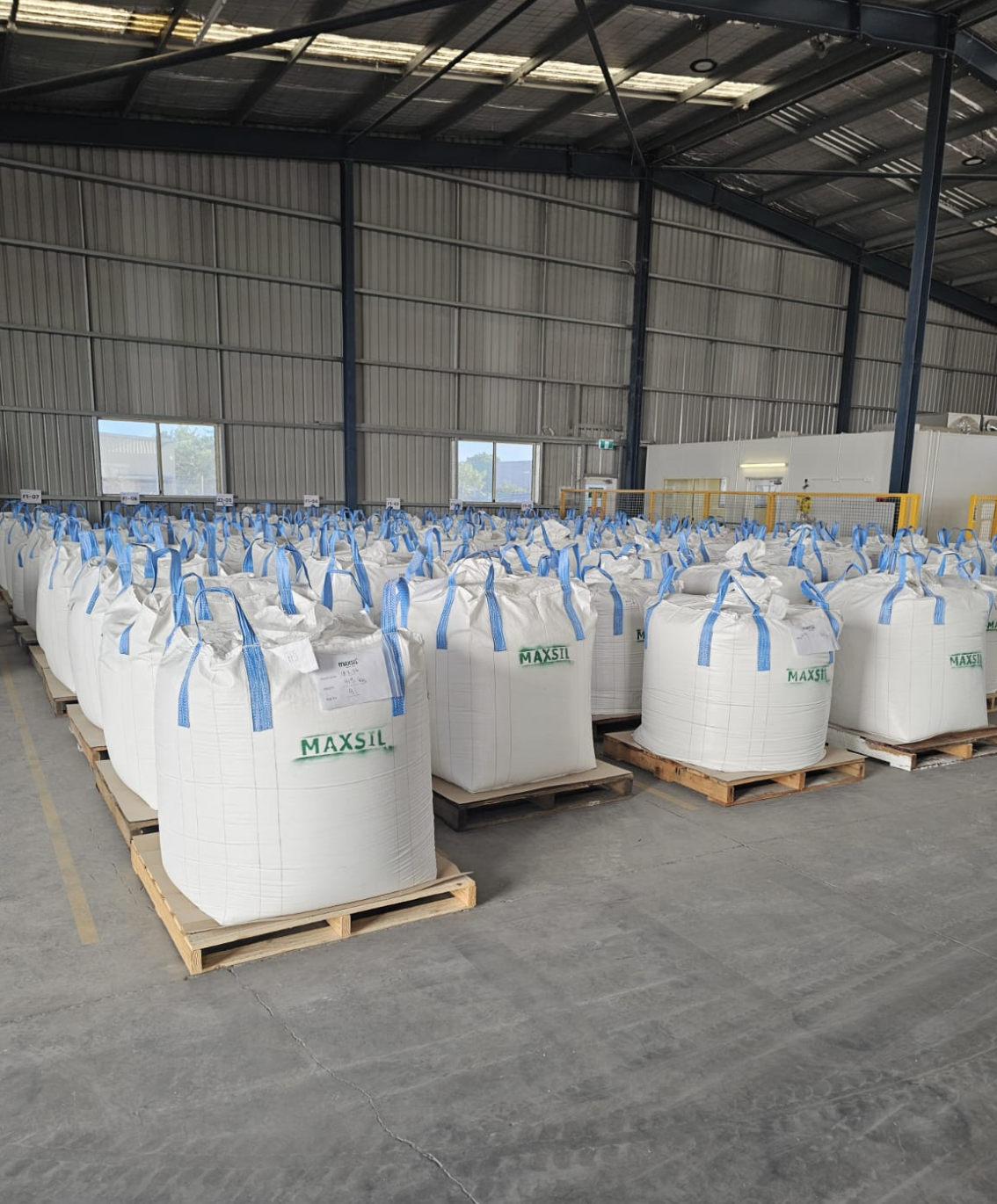
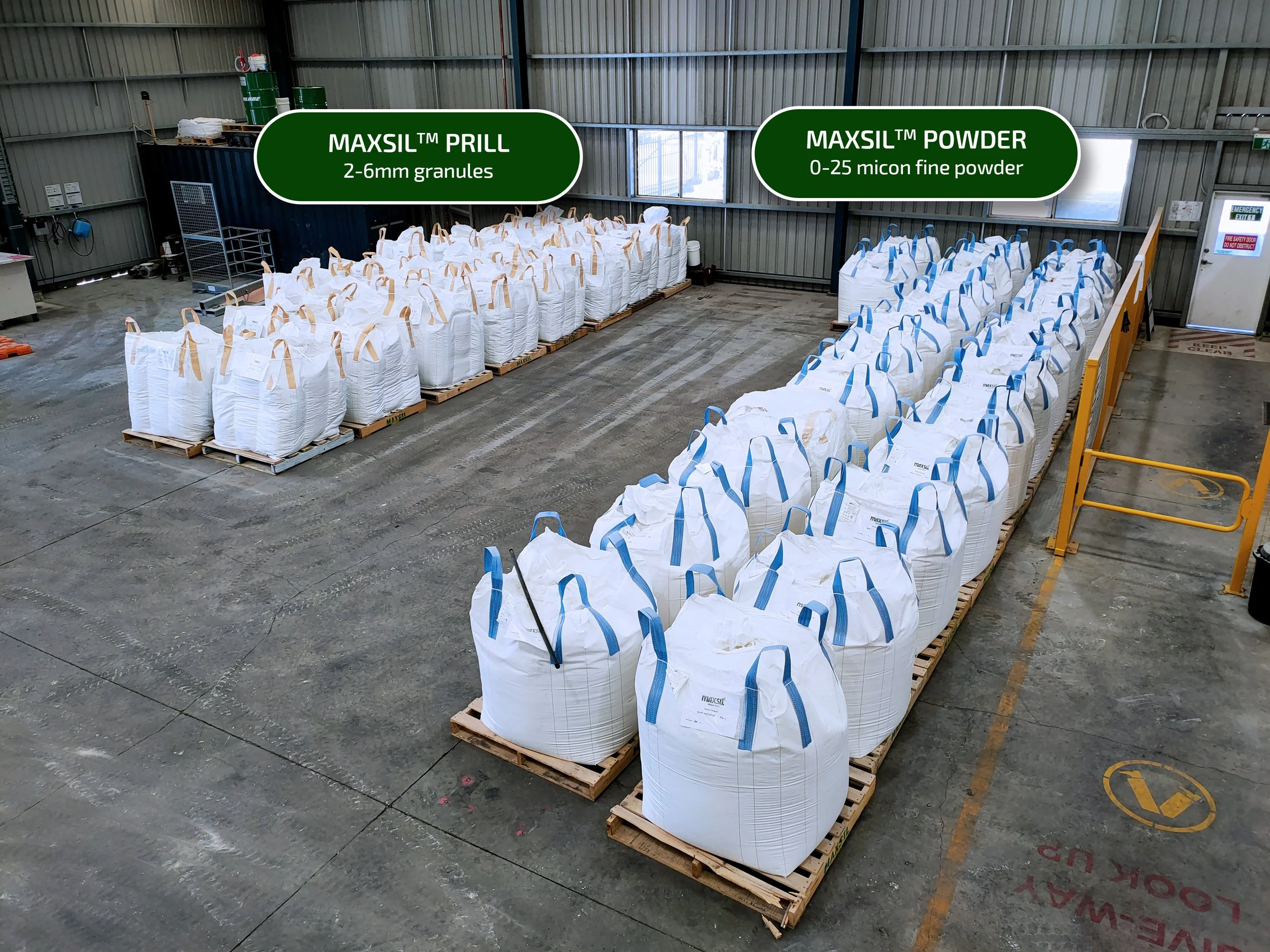
Formats for farms, advisers and distribution networks
MaxSil is available in powder, granules and mini prill formats for different application and blending programs. We are now building the grower, agronomy and distribution relationships needed for Canada.
Frequently asked questions
Can MaxSil replace Matador or lambda-cyhalothrin on alfalfa?
No. MaxSil is not an insecticide. It supplies plant-available silicon to build tougher, more resilient alfalfa stands and is used alongside scouting, early cutting and registered products within an IPM program.
Does silicon leave residue on hay or silage?
No. Silicon is a naturally occurring plant nutrient taken up into plant tissue, so there is no pesticide residue or feed withholding concern from MaxSil itself.
Is MaxSil a fungicide?
No. MaxSil is plant nutrition that supports crop resilience within an integrated pest management (IPM) program.
Can silicon replace chlorothalonil?
No single product replaces a fungicide. Silicon helps strengthen crops so your remaining tools work as part of a broader program.
Which crops benefit most?
Silicon-responsive crops such as potatoes, cereals, canola, corn, berries, greenhouse vegetables and turf are a strong starting point. We will work with Canadian agronomists to set up on-farm trials across key crops and regions.
Can it be blended with fertilizer?
Yes. MaxSil powder, granules and mini prill formats suit blending with your existing fertilizer program.
How do I become a distributor?
Complete the form on this page and select Distributor or retailer. Our team will contact you to discuss regional distribution rights across Canadian provinces.
Bring plant-available silicon to your crop or region
Tell us what you grow, advise or distribute. We will talk through the right next step for your Canadian operation.
MaxSil is a plant nutrition product and is not a registered pest control product. Always follow your provincial and federal crop protection requirements. Canadian product registration and import approvals are in progress.